Independent education about peptide evidence, research-quality documentation, and clinician-guided telehealth questions. Not a clinic, pharmacy, laboratory, or medical provider.


INDEPENDENT PEPTIDE RESEARCH & TELEHEALTH EDUCATION

Evidence-first guides
for a complex field

RESEARCH QUALITY & VENDOR STANDARDS

Know what the
documents can prove

Peptide Profiles

Individual compounds, common claims, human and preclinical evidence, naming, status, and unresolved questions.

Research Quality

Certificates, analytical testing, storage records, and sourcing documentation explained without vendor hype.

Telehealth Education

Questions about licensing, pharmacy accountability, follow-up, approved products, and compounded medicines.

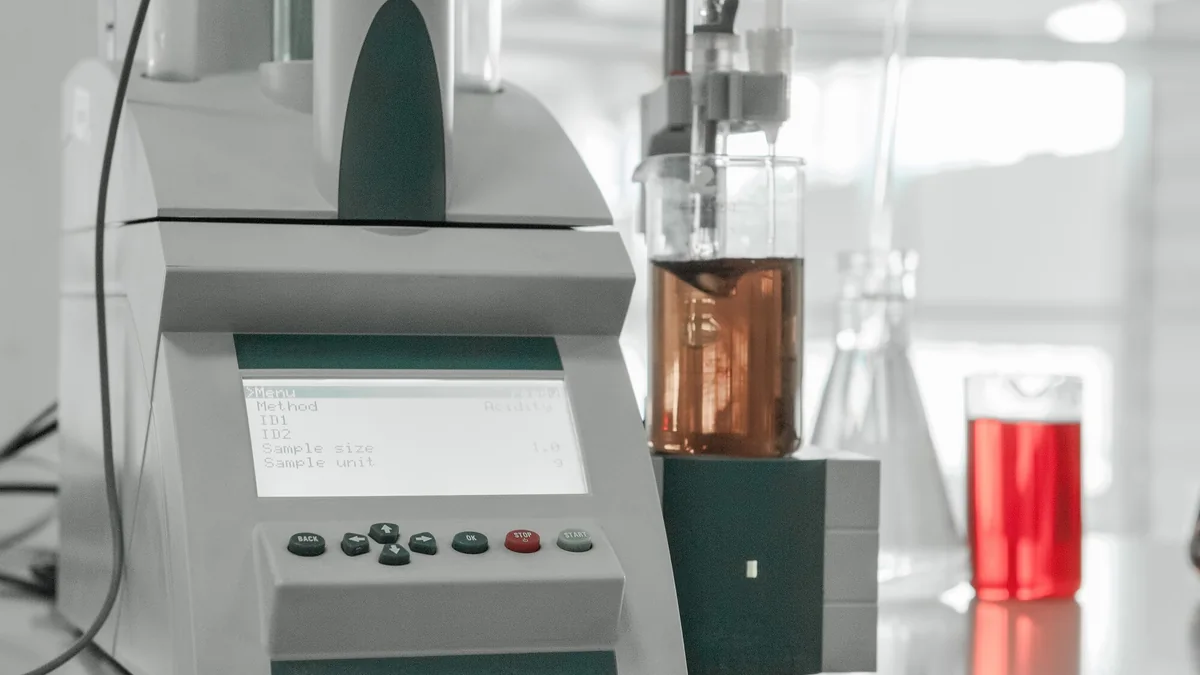
Analytical laboratory instrument measuring a prepared sample.
ABOUT THE PUBLICATION

Independent, source-led publishing

Vital Peptide Lab explains what published evidence and quality documents can—and cannot—show.

Our boundaryWe are not a clinic, pharmacy, laboratory, manufacturer, medical provider, or peptide vendor.

Explore Peptide Research & Quality Guides

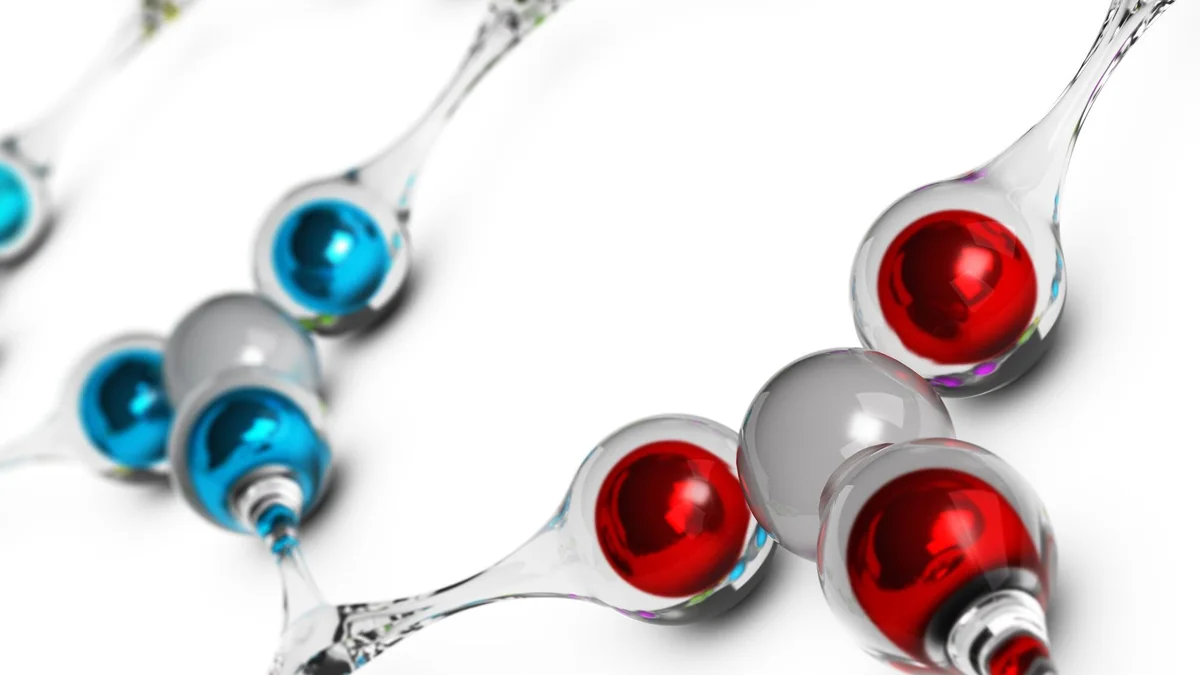
Glass molecular model illustrating connected chemical structures.

What Are Peptides?

Structure, signaling, and the terminology used in peptide research.
Row of neutral laboratory sample vials used for research documentation.

RUO vs Prescription Peptides

Why research-use-only and prescription frameworks must stay separate.

Blank laboratory clipboard surrounded by analytical equipment and samples.

Reading a Peptide COA

Identity, purity, endotoxin, methods, and batch-level documentation.

Analytical laboratory instrument measuring a prepared sample.

Third-Party Testing

What a laboratory report supports—and what it cannot establish.
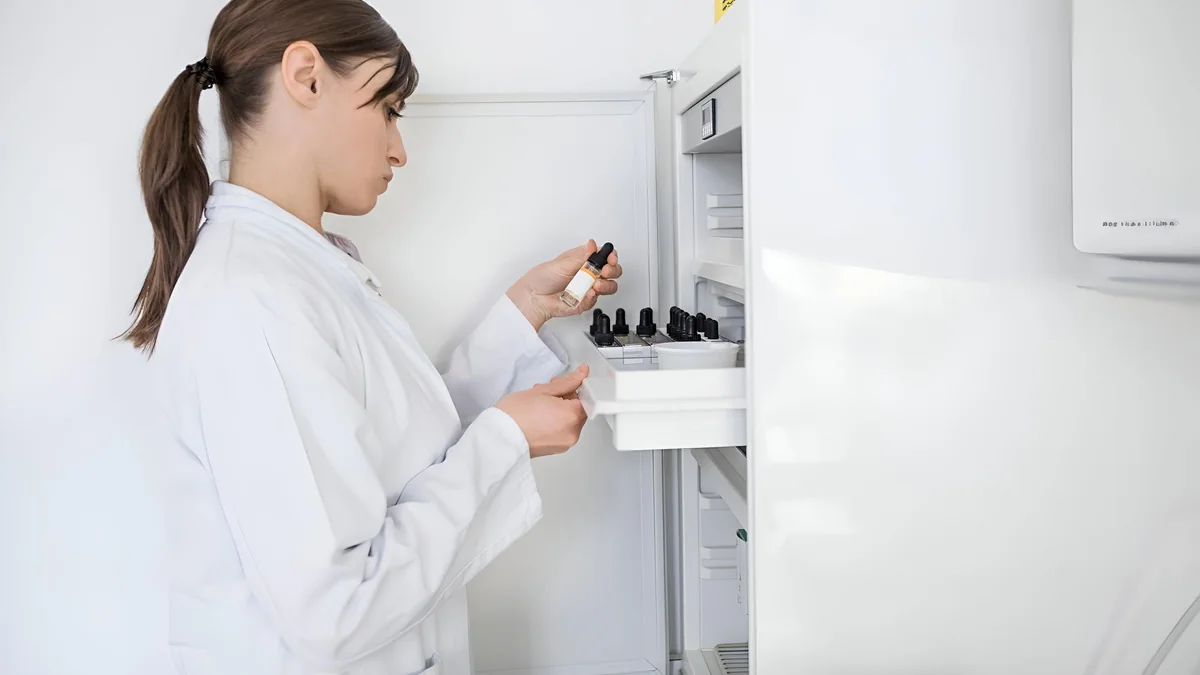
Laboratory specialist removing research samples from temperature-controlled storage.

Storage & Stability

Cold chain, shipping records, handling variables, and evidence limits.

Petri-dish culture sample being examined beside a laboratory microscope.

BPC-157 Evidence

Preclinical findings, unresolved human questions, and safety boundaries.
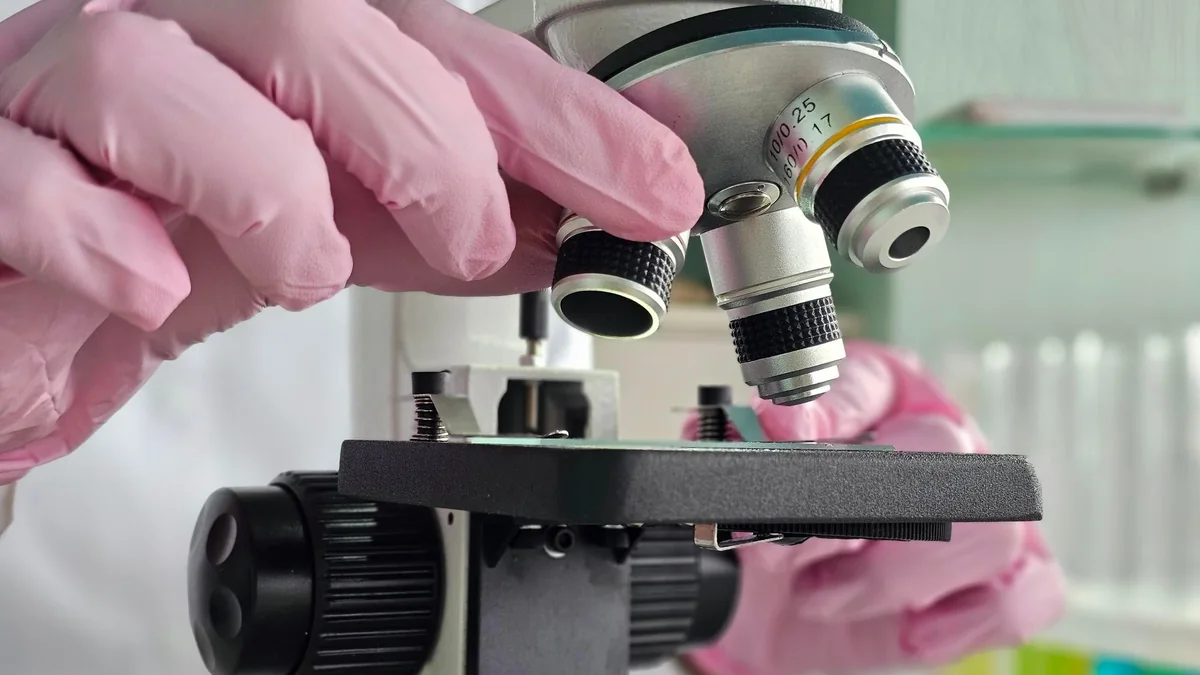
Gloved laboratory researcher positioning a prepared sample under a microscope.

TB-500 vs Thymosin Beta-4

Terminology, biological context, and gaps in the research record.

Copper-toned molecular model used as an editorial illustration of peptide structure.

GHK-Cu Research

Skin biology, wound models, and the limits of broader claims.
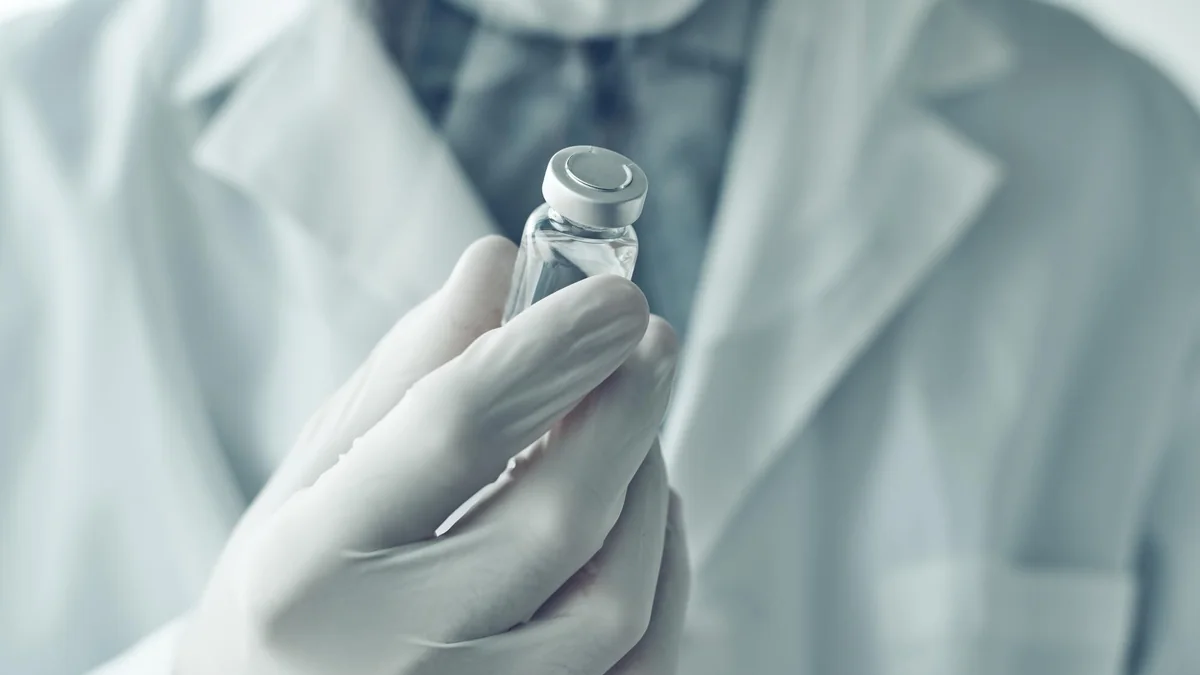
Gloved laboratory hands examining a small research vial.

CJC-1295 & Ipamorelin

Mechanisms, differences, and the quality of available evidence.

Laptop, headphones, and writing materials arranged for a telehealth appointment.

Evaluating Telehealth

Licensing, pharmacy role, privacy, and accountable follow-up.

NEW EDITORIAL TRACK

Peptide Profiles

Start with the compound readers are actually looking for. Each profile explains why it is discussed, what human and preclinical evidence can support, where marketing overreaches, and which identity or regulatory questions matter.

Explore all Peptide Profiles →
Laptop, reference books, and notebook arranged for a literature review.
HOW WE APPROACH THE EVIDENCE

Clear standards, visible limits

We separate mechanism from outcomes, preclinical findings from human evidence, and research-quality documentation from medical suitability.

Commercial relationships, if introduced, must be disclosed. A vendor document is never presented as proof that a material is appropriate for personal use.

Telehealth & Clinical Context

Clean clipboard, medicines, and glasses arranged for an evidence comparison.

Tirzepatide vs Semaglutide

An evidence-based comparison of distinct approved products and active ingredients.
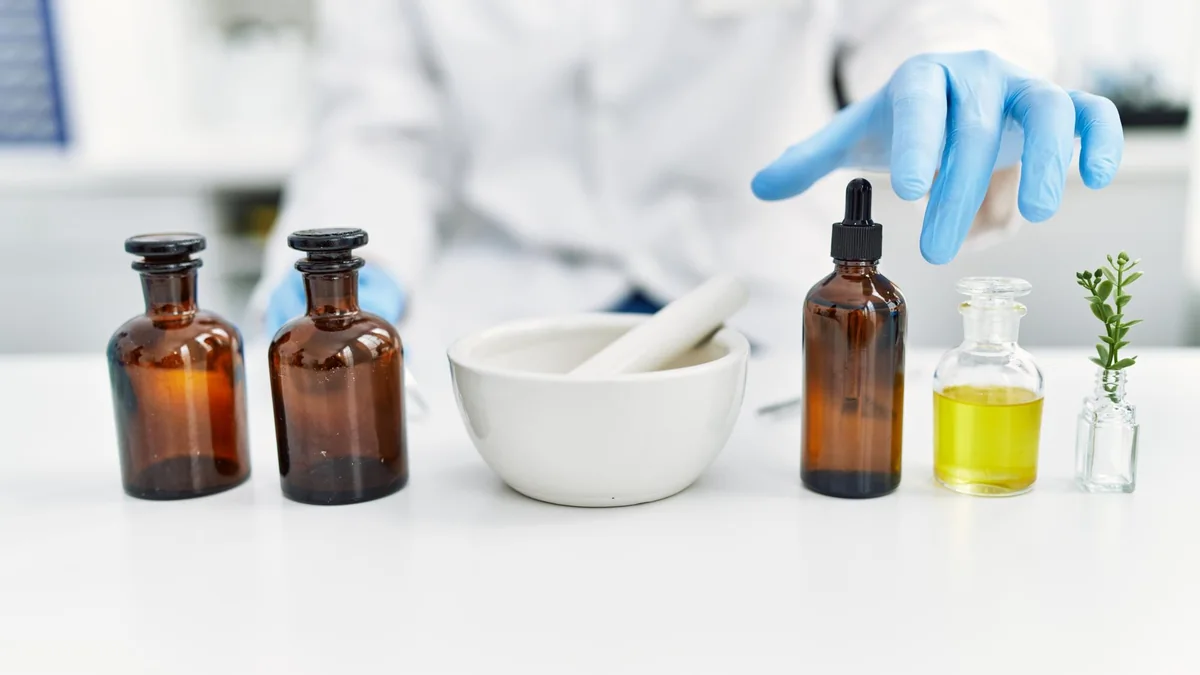
Compounding workspace with mortar, amber bottles, and laboratory glassware.

Compounded GLP-1 Questions

Questions patients should ask about sourcing, oversight, and follow-up.
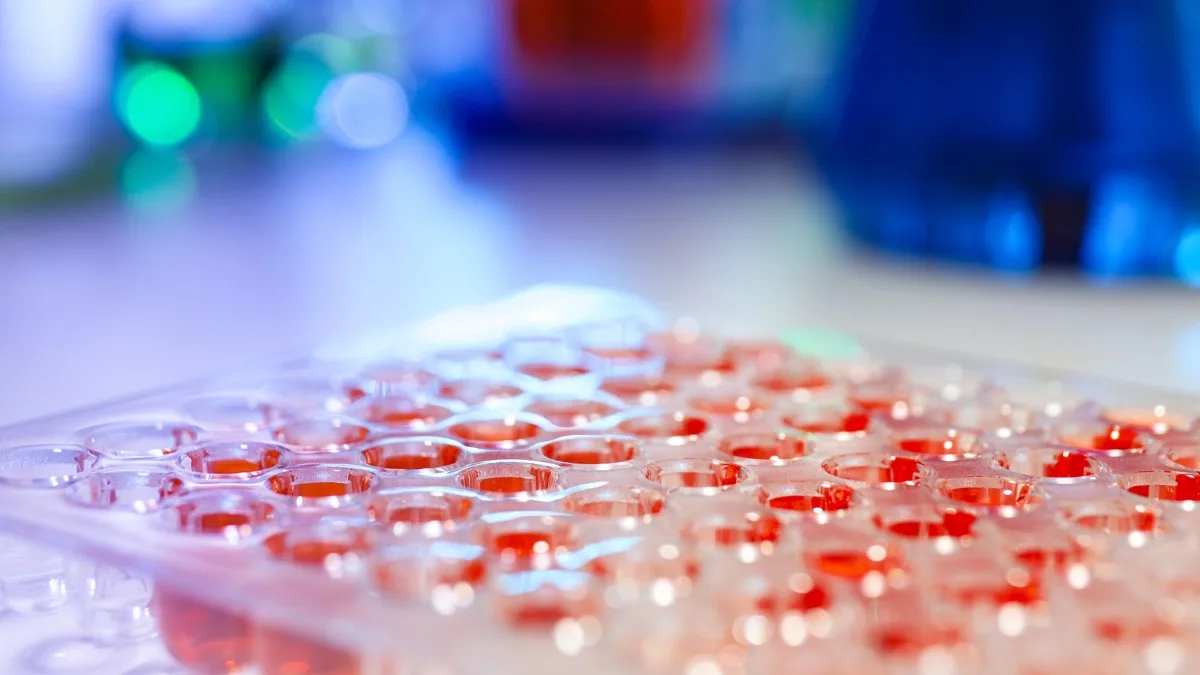
Laboratory microplate used in controlled biological research.

Sermorelin Context

Growth-hormone signaling, clinical boundaries, and research limitations.

Gloved researcher recording observations beside a prepared laboratory sample.

PT-141 Explained

Approved clinical use compared with broader research and marketing claims.
Neuroscience researcher reviewing microscopy and brain-imaging data.

Selank & Dihexa Evidence

What early and preclinical research can—and cannot—tell readers.